Deep learning, foundation models, and agents in biomedical research and healthcare.
We are an interdisciplinary research team of computer scientists, medical doctors, biologists, engineers, and everything in between. Our expertise lies in the deep learning-based analysis of complex clinical data, ranging from routine histology and radiology images to genomic sequences, text, and multimodal datasets.
In the last few years, we have pioneered the field of AI-based biomarkers in precision oncology. We routinely train and utilize transformer-based foundation models to build complex workflows for diagnosis, prognosis, and predictive modeling.
Our research also includes the development of autonomous agents for science and healthcare. As AI evolves from narrow, single-task tools into generalist systems, we are developing agents capable of reasoning over data and orchestrating clinical tasks. Our mission is to bridge the gap between these rapidly evolving computational capabilities and the needs of clinical routine.
We are part of the Else Kröner Fresenius Center (EKFZ) for Digital Health at TU Dresden in Dresden, Germany, as well as the National Center for Tumor Diseases (NCT) at University Hospital Heidelberg in Heidelberg, Germany.
Mapping cancer biomarkers to phenotypes observed in histopathology images. Predicting genetic alterations and treatment responses directly from histology slides using foundation models.
Moving beyond narrow AI tools towards autonomous agents that can reason over data, orchestrate complex workflows, and support clinical decision-making.
Leveraging Large Language Models (LLMs) to extract information from unstructured clinical data and assist in guideline-based decision making.
Decentralized AI techniques that keep patient data local and secure while training robust models across international networks.
A selection of 10 key publications. For a full list, please visit Google Scholar.
We are strong believers in open and reproducible science. Most of our projects are available as open-source code on GitHub. We invite you to explore our repositories, use our models, and contribute to our work.
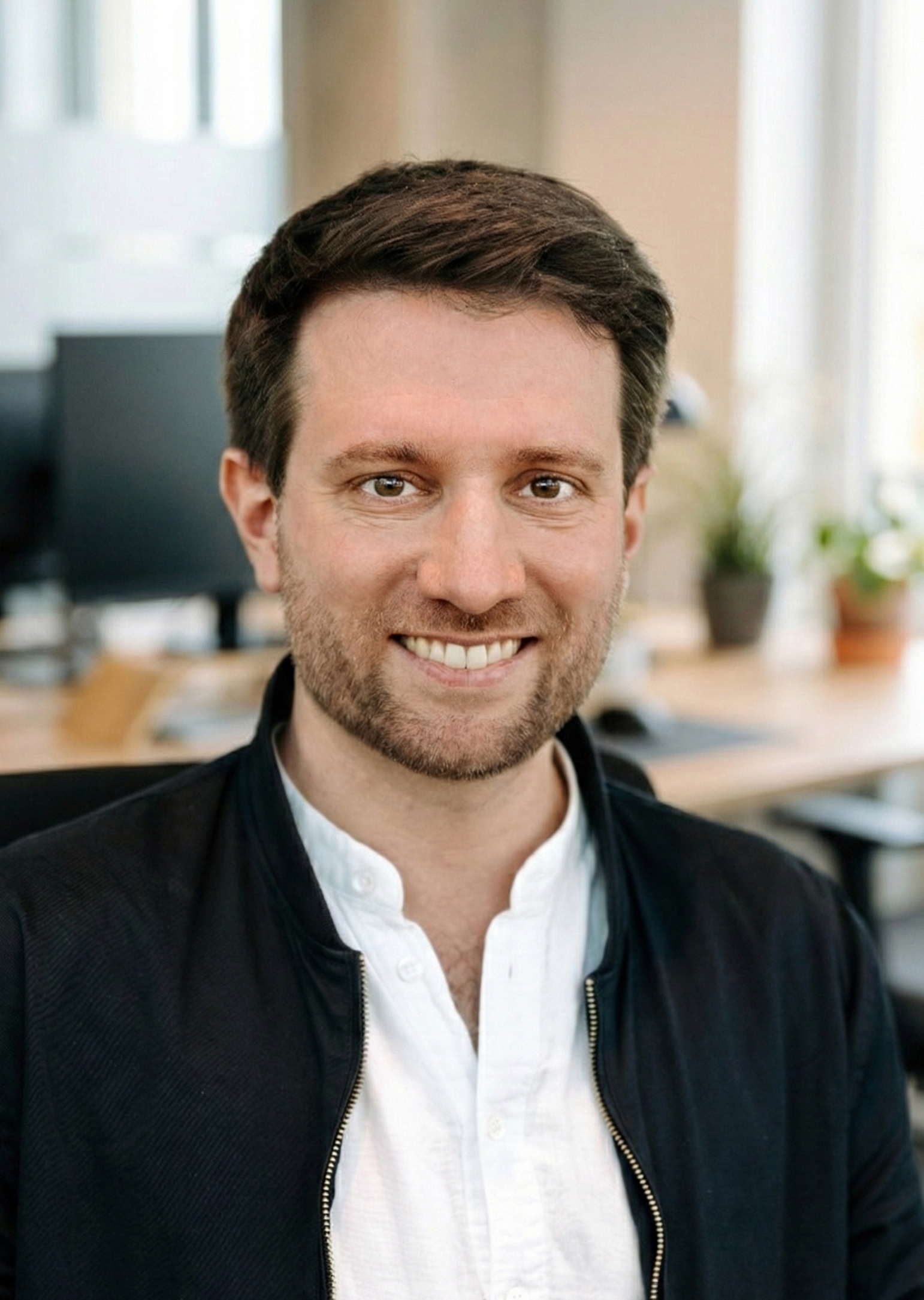
Jakob Kather is a physician and computer scientist working to bridge the gap between oncology and AI. He holds the W3 Professorship for Clinical Artificial Intelligence at TU Dresden and serves as a senior physician in medical oncology at the University Hospital Dresden.
His work focuses on using Deep Learning to extract actionable information from routine clinical data including histopathology, radiology, and clinical text. He is a strong advocate for an interdisciplinary approach where medical researchers learn to code and computer scientists immerse themselves in cancer biology.
He is deeply committed to ethical AI development, pioneering "Privacy Preserving AI" methods such as swarm learning, and leading European initiatives to establish guidelines for AI in oncology (ESMO EBAI, ELCAP).
We are grateful to our funders and supporters, including
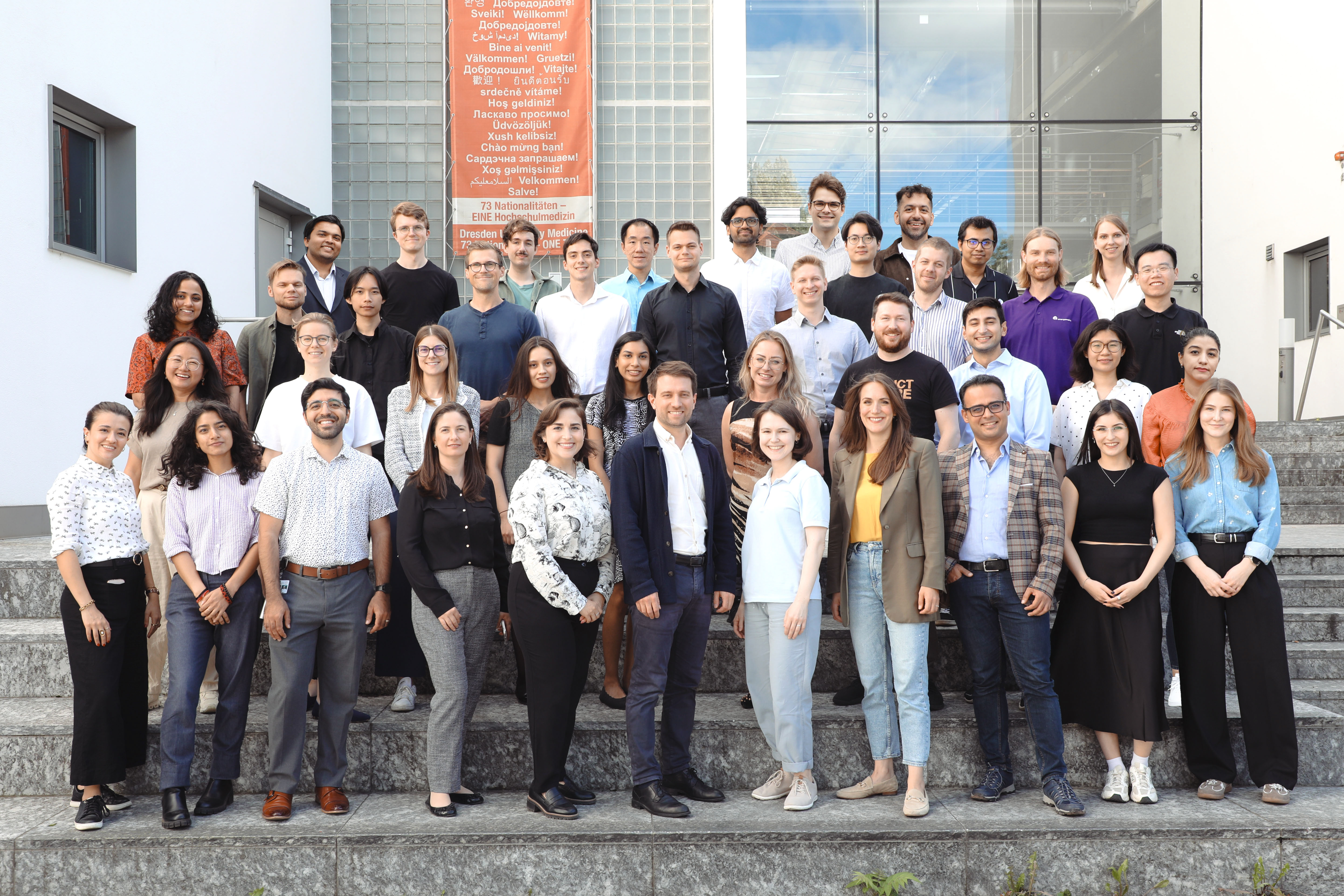
Current team members of the Kather Lab.
We are always looking for new team members, interns, visiting researchers, visiting professors, entrepreneurs in residence, and academic collaborators.
If you are passionate about AI, Oncology, and solving real clinical problems, we want to hear from you.